Youtube links
Part 1
http://youtu.be/WEPKlF4lD-A
Part 2
http://youtu.be/HV0fJ4mmnxY
Part 3
http://youtu.be/DAVf1Ksj1FA
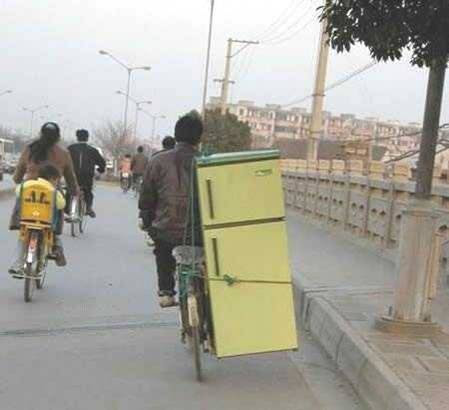
Real Kings of Logistics
Friday, March 2, 2012


Monday, February 20, 2012
Firefighter PPE: Understanding limitations of government regulations
December 28, 2011
From: http://www.ppe101.com/Columnists/Jeffrey-O-Stull/articles/1210329-Firefighter-PPE-Understanding-limitations-of-government-regulations/
PPE Update
with Jeffrey O. and Grace G. Stull
Sponsored by Globe
Firefighter PPE: Understanding limitations of government regulations
We are all affected by government regulations. The fire service is no exception. There are a number of regulations from both the federal government and state governments that affect firefighter personal protective equipment.
Included in these regulations are general requirements for fire departments (employers) to provide PPE for their firefighter employees. These requirements extend to not only providing the PPE but also caring and maintaining it, and providing training on the use and limitations of protective clothing and equipment.
These regulations are found in OSHA 29 CFR Part 1910.132. The regulations, sometimes also known as a "general duty clause" or Subpart I, further prescribe fire departments conduct hazard assessments and select the appropriate personal tech equipment based on the identification of hazards.
Well understood
For the most part, these regulations are well understood and, in fact, NFPA 1971 requires that manufacturers include a reference to these regulations in the user information provided for their clothing and equipment products that are certified to the standard.
There are also government regulations that pertain to minimum requirements for personal protective clothing and equipment. One example is OSHA 29 CFR Part 1910.156. These regulations are titled “fire brigades” and specify minimum requirements for personal protective clothing and equipment used by firefighters.
The regulations were first enacted in the early 1980s and unfortunately have not been updated in the past 30 years. Consequently, in specifying protective garment minimum requirements, the federal regulations indicate that garments should comply with the 1975 edition of NFPA 1971, even though there have been a total of six revisions that have followed, with increasing numbers of performance requirements for firefighter clothing.
The OSHA regulations allows the tear strength of outer shell materials to be lower than was required in the NFPA standard and exempts outer shell materials from having to resist charring when exposed to high heat if suitable flame resistance can be demonstrated.
These regulations become problematic because they are the law yet at the same time they do not come anywhere close to specifying the levels of performance that are found in the newer editions of NFPA 1971 since 1975.
When further examined, similar requirements for protective helmets, gloves, and footwear are equally out of date with modern criteria. Protective hoods are not even addressed.
Respective NFPA editions
No competent manufacturer still fabricates their clothing (garments) strictly to these older standards. Occasionally, one may find a reference to the OSHA regulations as part of the label or claims for a particular product, but this information is generally accompanied by the appropriate certification to the then respective edition of NFPA 1971.
Some jurisdictions may require the reference to the OSHA regulations because it is the law, but it should be understood that these federal regulations are woefully inadequate and provide an unsafe basis for specifying firefighter protective clothing performance on their own.
Nonetheless, there are some products where federal or state regulations are basis for the sole representation of firefighter personal protective equipment.
This is most commonly observed for protective gloves because some departments consider gloves to be a commodity given their lower price compared to other parts of the firefighter protective ensemble.
At the time they were prepared, the OSHA regulations did not have the benefit of an existing NFPA standard on firefighter gloves. The first NFPA standard on gloves (numbered 1973) did not become available until 1983.
Therefore, OSHA made reference to a study performed by Arthur D. Little, performed under contract to the National Institute for Occupational Safety and Health.
That study set out to develop specific criteria and test methods for demonstrating the protective qualities of firefighter gloves, which were to become the basis for future requirements for gloves in the NFPA 1973 standard.
Certain portions
For whatever reason, the government only chose to implement certain portions of the government study for gloves. In contrast, the NFPA 1973 standard on gloves accepted nearly all the requirements directly from the Arthur D. Little study.
According to the OSHA Act, the individual states are allowed to develop their own regulations for occupational safety and health as long as those regulations as a minimum meet the existing federal requirements.
In the state of California, for example, regulations have been promulgated for structural fire fighting protective clothing and equipment under Title 8 of the California code of regulations and are found in Article 10.1.
Specific requirements for hand and wrist protection are provided in Section 3407. These regulations specify a few tests for gloves that include conductive heat resistance, radiant heat resistance, flame resistance, dexterity, and grip.
These regulations contrast with the federal regulations in some respects; however, like 29 CFR 1910.156, they deviate substantially from the current requirements provided by NFPA 1971 as well as earlier embodiments of the glove performance standard since its initial release in 1983.
There are substantial differences in the performance requirements for firefighter gloves that exist in both the federal and California state regulations as compared to the NFPA standards.
These include a number of specific performance areas that are simply not addressed as part of the federal or state regulations. For example, there are no regulations for the gloves performance against wet heat transfer, or for that matter, any specific requirement for moisture barrier and the ensuing liquid protection provided by the moisture barrier.
Glove regs
The California state regulations do indicate that “protective gloves for firefighters shall be made of durable outer material designed to withstand the effects of flame, heat, vapor, liquids, sharp objects and other hazards that are encountered in firefighting.”
Yet, criteria are not provided in these regulations that address each performance area though it can be argued that gloves should demonstrate these specific qualities by some means.
In the current edition of NFPA 1971, there are several areas of performance which have been developed over the years to address firefighter concerns for protection of their hands.
It has long been recognized that the hands are very vulnerable to burn injury because of the relative large surface area to volume ratio of the hands as compared to other parts of the body.
Developments that are taking place in the creation of requirements for firefighter hand protection have attempted to address these concerns as well as take into consideration new material and design technologies available for gloves.
Neither the federal regulations, nor the California state regulations are able to keep pace with emerging glove technology or set requirements for the improvements of firefighter health and safety in response to fire service needs.
Cannot be responsive
The respective portions of the government simply cannot be responsive in a timely and periodic manner. For that matter, it is uncertain as to what resources the federal or state government can draw upon for setting requirements. The NFPA process uses balanced membership interests combined with several forums for public input.
The specific problems that ensue from relying only on the federal or California state regulations for firefighter conformity arise in many other forms.
Other than the fact that the regulations are clearly deficient in addressing all protection concerns for firefighters, there is also the absence of requirements for the certification of products, the provision of user information, and appropriate product labeling.
The NFPA standards are relatively robust in covering all parts of the manufacturing process to ensure that products meet the requirements in the standard.
These include that the manufacturer employs quality assurance procedures that ensure that all manufactured products meet the same level of performance as those products that are tested under the standard.
Self-certify
Government regulations do not address certification at all. Manufacturers can self-certify their product to the government regulations and not be subject to independent review, nor any of the other benefits that third party certification provides.
There are no requirements for quality assurance programs to be in place or for independent audits to ensure that quality practices are being followed. Manufacturers are further not required by the government regulations to provide any user information and can label their product however they choose.
These practices put the fire service in a dangerous position and compromise the safety of their members. Unfortunately, fire departments and individual firefighters may not realize how deficient these regulations are.
They assume that because there is some indication of meeting a regulation, the product is acceptable. After all, they cannot be experts in PPE — they are relying on the manufacturers to provide that expertise and any apparent endorsement gives rise to the legitimacy of the product.
It is our opinion that where accepted industry standards exist, products should at least comply with those standards. We do not believe that either the federal or state government regulations alone are a sufficient basis for qualifying the protective product as acceptable.
Sometimes, there may be exceptions but only if coupled to appropriate standards. In our state of Texas, there are state statutes that require career firefighters to wear structural firefighting protective clothing and equipment to meet the current edition of NFPA 1971.
Similar practices exist in some but not all states. Certainly, NFPA standards are voluntary, but they represent the base minimum for what the industry considers acceptable levels of protection and provide a rigorous basis for demonstrating compliance — the same cannot be said for many federal and state regulations that are not regularly updated and lack requirements for conformity assessment.
Sponsored by Globe
Jeffrey O. and Grace G. Stull are president and vice president respectively of International Personnel Protection, Inc., which provides expertise on the design, evaluation, selection and use of personnel protective clothing, equipment and related products to end users and manufacturers. They are considered amongst the leading experts in the field of personal protective equipment. Send questions or feedback to Jeff or Grace at Jeffrey.O.Stull@FireRescue1.com. The views of the author do not necessarily reflect those of the sponsor.
From: http://www.ppe101.com/Columnists/Jeffrey-O-Stull/articles/1210329-Firefighter-PPE-Understanding-limitations-of-government-regulations/
PPE Update
with Jeffrey O. and Grace G. Stull
Sponsored by Globe
Firefighter PPE: Understanding limitations of government regulations
We are all affected by government regulations. The fire service is no exception. There are a number of regulations from both the federal government and state governments that affect firefighter personal protective equipment.
Included in these regulations are general requirements for fire departments (employers) to provide PPE for their firefighter employees. These requirements extend to not only providing the PPE but also caring and maintaining it, and providing training on the use and limitations of protective clothing and equipment.
These regulations are found in OSHA 29 CFR Part 1910.132. The regulations, sometimes also known as a "general duty clause" or Subpart I, further prescribe fire departments conduct hazard assessments and select the appropriate personal tech equipment based on the identification of hazards.
Well understood
For the most part, these regulations are well understood and, in fact, NFPA 1971 requires that manufacturers include a reference to these regulations in the user information provided for their clothing and equipment products that are certified to the standard.
There are also government regulations that pertain to minimum requirements for personal protective clothing and equipment. One example is OSHA 29 CFR Part 1910.156. These regulations are titled “fire brigades” and specify minimum requirements for personal protective clothing and equipment used by firefighters.
The regulations were first enacted in the early 1980s and unfortunately have not been updated in the past 30 years. Consequently, in specifying protective garment minimum requirements, the federal regulations indicate that garments should comply with the 1975 edition of NFPA 1971, even though there have been a total of six revisions that have followed, with increasing numbers of performance requirements for firefighter clothing.
The OSHA regulations allows the tear strength of outer shell materials to be lower than was required in the NFPA standard and exempts outer shell materials from having to resist charring when exposed to high heat if suitable flame resistance can be demonstrated.
These regulations become problematic because they are the law yet at the same time they do not come anywhere close to specifying the levels of performance that are found in the newer editions of NFPA 1971 since 1975.
When further examined, similar requirements for protective helmets, gloves, and footwear are equally out of date with modern criteria. Protective hoods are not even addressed.
Respective NFPA editions
No competent manufacturer still fabricates their clothing (garments) strictly to these older standards. Occasionally, one may find a reference to the OSHA regulations as part of the label or claims for a particular product, but this information is generally accompanied by the appropriate certification to the then respective edition of NFPA 1971.
Some jurisdictions may require the reference to the OSHA regulations because it is the law, but it should be understood that these federal regulations are woefully inadequate and provide an unsafe basis for specifying firefighter protective clothing performance on their own.
Nonetheless, there are some products where federal or state regulations are basis for the sole representation of firefighter personal protective equipment.
This is most commonly observed for protective gloves because some departments consider gloves to be a commodity given their lower price compared to other parts of the firefighter protective ensemble.
At the time they were prepared, the OSHA regulations did not have the benefit of an existing NFPA standard on firefighter gloves. The first NFPA standard on gloves (numbered 1973) did not become available until 1983.
Therefore, OSHA made reference to a study performed by Arthur D. Little, performed under contract to the National Institute for Occupational Safety and Health.
That study set out to develop specific criteria and test methods for demonstrating the protective qualities of firefighter gloves, which were to become the basis for future requirements for gloves in the NFPA 1973 standard.
Certain portions
For whatever reason, the government only chose to implement certain portions of the government study for gloves. In contrast, the NFPA 1973 standard on gloves accepted nearly all the requirements directly from the Arthur D. Little study.
According to the OSHA Act, the individual states are allowed to develop their own regulations for occupational safety and health as long as those regulations as a minimum meet the existing federal requirements.
In the state of California, for example, regulations have been promulgated for structural fire fighting protective clothing and equipment under Title 8 of the California code of regulations and are found in Article 10.1.
Specific requirements for hand and wrist protection are provided in Section 3407. These regulations specify a few tests for gloves that include conductive heat resistance, radiant heat resistance, flame resistance, dexterity, and grip.
These regulations contrast with the federal regulations in some respects; however, like 29 CFR 1910.156, they deviate substantially from the current requirements provided by NFPA 1971 as well as earlier embodiments of the glove performance standard since its initial release in 1983.
There are substantial differences in the performance requirements for firefighter gloves that exist in both the federal and California state regulations as compared to the NFPA standards.
These include a number of specific performance areas that are simply not addressed as part of the federal or state regulations. For example, there are no regulations for the gloves performance against wet heat transfer, or for that matter, any specific requirement for moisture barrier and the ensuing liquid protection provided by the moisture barrier.
Glove regs
The California state regulations do indicate that “protective gloves for firefighters shall be made of durable outer material designed to withstand the effects of flame, heat, vapor, liquids, sharp objects and other hazards that are encountered in firefighting.”
Yet, criteria are not provided in these regulations that address each performance area though it can be argued that gloves should demonstrate these specific qualities by some means.
In the current edition of NFPA 1971, there are several areas of performance which have been developed over the years to address firefighter concerns for protection of their hands.
It has long been recognized that the hands are very vulnerable to burn injury because of the relative large surface area to volume ratio of the hands as compared to other parts of the body.
Developments that are taking place in the creation of requirements for firefighter hand protection have attempted to address these concerns as well as take into consideration new material and design technologies available for gloves.
Neither the federal regulations, nor the California state regulations are able to keep pace with emerging glove technology or set requirements for the improvements of firefighter health and safety in response to fire service needs.
Cannot be responsive
The respective portions of the government simply cannot be responsive in a timely and periodic manner. For that matter, it is uncertain as to what resources the federal or state government can draw upon for setting requirements. The NFPA process uses balanced membership interests combined with several forums for public input.
The specific problems that ensue from relying only on the federal or California state regulations for firefighter conformity arise in many other forms.
Other than the fact that the regulations are clearly deficient in addressing all protection concerns for firefighters, there is also the absence of requirements for the certification of products, the provision of user information, and appropriate product labeling.
The NFPA standards are relatively robust in covering all parts of the manufacturing process to ensure that products meet the requirements in the standard.
These include that the manufacturer employs quality assurance procedures that ensure that all manufactured products meet the same level of performance as those products that are tested under the standard.
Self-certify
Government regulations do not address certification at all. Manufacturers can self-certify their product to the government regulations and not be subject to independent review, nor any of the other benefits that third party certification provides.
There are no requirements for quality assurance programs to be in place or for independent audits to ensure that quality practices are being followed. Manufacturers are further not required by the government regulations to provide any user information and can label their product however they choose.
These practices put the fire service in a dangerous position and compromise the safety of their members. Unfortunately, fire departments and individual firefighters may not realize how deficient these regulations are.
They assume that because there is some indication of meeting a regulation, the product is acceptable. After all, they cannot be experts in PPE — they are relying on the manufacturers to provide that expertise and any apparent endorsement gives rise to the legitimacy of the product.
It is our opinion that where accepted industry standards exist, products should at least comply with those standards. We do not believe that either the federal or state government regulations alone are a sufficient basis for qualifying the protective product as acceptable.
Sometimes, there may be exceptions but only if coupled to appropriate standards. In our state of Texas, there are state statutes that require career firefighters to wear structural firefighting protective clothing and equipment to meet the current edition of NFPA 1971.
Similar practices exist in some but not all states. Certainly, NFPA standards are voluntary, but they represent the base minimum for what the industry considers acceptable levels of protection and provide a rigorous basis for demonstrating compliance — the same cannot be said for many federal and state regulations that are not regularly updated and lack requirements for conformity assessment.
Sponsored by Globe
Jeffrey O. and Grace G. Stull are president and vice president respectively of International Personnel Protection, Inc., which provides expertise on the design, evaluation, selection and use of personnel protective clothing, equipment and related products to end users and manufacturers. They are considered amongst the leading experts in the field of personal protective equipment. Send questions or feedback to Jeff or Grace at Jeffrey.O.Stull@FireRescue1.com. The views of the author do not necessarily reflect those of the sponsor.
Tomorrow's PPE: Changes planned for SCBA, PASS devices and gear
February 08, 2012
From: http://www.ppe101.com/Columnists/Jeffrey-O-Stull/articles/1234489-Tomorrows-PPE-Changes-planned-for-SCBA-PASS-devices-and-gear/
PPE Update
with Jeffrey O. and Grace G. Stull
Sponsored by Globe
Tomorrow's PPE: Changes planned for SCBA, PASS devices and gear
In the first part of this article, we outlined how standards on personal protective equipment establish minimum levels of performance that are intended to reflect firefighter needs.
Over the next two months, there are several standards under development or revision; these include each of the standards listed below.
NFPA 1851 - Standard on Selection, Care, and Maintenance of Protective Ensembles for Structural Fire Fighting and Proximity Fire Fighting
Work is toward a third edition. The most significantly considered topics are the qualifications for service providers on cleaning and repair and how these organizations are qualified, difficulties in implementing the complete liner inspection and the rigor of the hydrostatic test applied to liners after three years, and the mandatory 10-year retirement requirement for all ensemble elements.
The industry is debating how manufacturers can specify companies to provide inspection, cleaning, and repair of their clothing versus the verification of independent service providers that can offer care for any type of clothing.
The adequacy of current procedures for qualifying organizations is being reviewed and being extended from simply addressing repair to cleaning and inspection processes. The committee is considering whether cleaning procedures need to be validated.
There are also concerns for high levels of liner failure during hydrostatic testing noted by some departments that occurs as part of complete liner inspections. Proposals for changing the frequency of this testing or how the testing is conducted are open for consideration.
Lastly, some departments are advocating exceptions to the rule that all clothing and equipment covered by NFPA 1971 be retired 10 years from its manufacturing date.
NFPA 1852 - Standard on Selection, Care, and Maintenance of Open-Circuit Self-Contained Breathing Apparatus (SCBA)
The standard is considered relatively mature and only a few changes have been proposed. These include events and procedures for reporting failures of SCBA, specifying the number of spare cylinders on hand for a given organization, and providing editorial changes to make some requirements more consistent with NIOSH regulations. (Note – Pat, does this line seem OK to you? I'm also checking with the Stulls - Jamie.)
NFPA 1855 - Standard on Selection, Care, and Maintenance of Protective Ensembles for Technical Rescue Incidents
This is a new standard that is intended to establish the companion selection, care, and maintenance requirements for products certified to NFPA 1951, Standard on Protective Ensembles for Technical Rescue Incidents.
The standard has a number of similarities to NFPA 1851, but has some adaptations to address specific issues related to two principle ensembles covered in the standard – utility technical rescue (without barrier) and rescue & recovery operations (with barrier). NFPA 1951 also addresses requirements for a CBRN ensemble.
As proposed, the standard provides detailed procedures for conducting a risk assessment to support the selection of the appropriate ensemble. It also establishes specific requirement for how ensemble elements (garments, helmets, gloves, and footwear) are inspected, cleaned, decontaminated, repaired, and stored as well as the responsibilities for ensemble care and maintenance for the department and individual responder.
NFPA 1975 – Standard on Work/Station Uniforms for the Emergency Services
The standard address clothing that is worn underneath protective clothing and includes an option for the clothing to be flame resistant. The committee is considering the scope of the standard to address some of items of clothing currently worn underneath protective clothing for moisture management and comfort purposes.
The committee is also examining the potential for including other performance properties in the evaluation of this clothing.
The public input period has passed, but any input for the revision of this standard can still be submitted for the committee's consideration. In addition, the same committee is working on a new contaminated water diving standard and a rope and harness selection, care, and maintenance standard.
NFPA 1981 - Standard on Open-Circuit, Self-Contained Breathing Apparatus (SCBA) for Emergency Services
The committee is addressing a number of changes for improving the performance of fire service SCBA. Among these are proposed tests for evaluating the integrity of the facepiece to high heat in response to some reported industry failures.
A new radiant heat resistance test has been put forward for consideration. The committee is also increasing the conditions of the high heat oven exposure prior to the fire exposure in the overall heat and flame test.
A number of other proposed changes have been considered that include new methodology for evaluating SCBA voice communications and changing the alarm level (amount of remaining air) for the end-of-service time indicator.
The standard is also being revised to provide for a range of certifications to address other applications, such as law enforcement, hazardous materials, and other non-fire fighting operations.
NFPA 1982 - Standard on Personal Alert Safety Systems (PASS)
Since its last overhaul in 2007 to address issues related to PASS problems in high heat and moisture conditions, the current revision is focusing on changes that encompass the performance of wireless or radio frequency PASS and their ability to communicate to base stations outside the operating location.
Consequently, a number of new design and performance criteria have been proposed to address various aspects of evolving electronics and their continued functionality for PASS devices. For example, wireless PASS devices are now evaluated for their ability to alarm at a distance that is considered out of range from the base station.
NFPA 1989 - Standard on Breathing Air Quality for Emergency Services Respiratory Protection
This standard covers the quality of breathing air for SCBA and how it is tested. The standard, which has been in existence for two prior editions, is undergoing only relatively minor changes for clarification of the existing procedures.
NFPA 1999 - Standard on Protective Clothing Emergency Medical Operations
The standard was significantly expanded in 2008 to include other categories of clothing and equipment. The majority of current revisions are aimed at improving current test methods or addressing the need for clarification for existing requirements.
A number of items covered by the standards are typically not certified by manufacturers, such as disposal garments, work gloves, and eye and face protection.
We would like to also point out that you can submit input on any standard at any time, whether in revision or not. The submission of specific suggestions or criticisms is always welcome and seen as a valuable part of providing feedback that enable enhancement of the current standards, which in turn help allow the development of better performing clothing and equipment.
We hope that if any of the standards are of interest to you that you take the time to communicate your concerns or needs to the respective committee. The NFPA process is only improved when the actual users of personal protective equipment provide their input.
Sponsored by Globe
Jeffrey O. and Grace G. Stull are president and vice president respectively of International Personnel Protection, Inc., which provides expertise on the design, evaluation, selection and use of personnel protective clothing, equipment and related products to end users and manufacturers. They are considered amongst the leading experts in the field of personal protective equipment. Send questions or feedback to Jeff or Grace at Jeffrey.O.Stull@FireRescue1.com. The views of the author do not necessarily reflect those of the sponsor.
From: http://www.ppe101.com/Columnists/Jeffrey-O-Stull/articles/1234489-Tomorrows-PPE-Changes-planned-for-SCBA-PASS-devices-and-gear/
PPE Update
with Jeffrey O. and Grace G. Stull
Sponsored by Globe
Tomorrow's PPE: Changes planned for SCBA, PASS devices and gear
In the first part of this article, we outlined how standards on personal protective equipment establish minimum levels of performance that are intended to reflect firefighter needs.
Over the next two months, there are several standards under development or revision; these include each of the standards listed below.
NFPA 1851 - Standard on Selection, Care, and Maintenance of Protective Ensembles for Structural Fire Fighting and Proximity Fire Fighting
Work is toward a third edition. The most significantly considered topics are the qualifications for service providers on cleaning and repair and how these organizations are qualified, difficulties in implementing the complete liner inspection and the rigor of the hydrostatic test applied to liners after three years, and the mandatory 10-year retirement requirement for all ensemble elements.
The industry is debating how manufacturers can specify companies to provide inspection, cleaning, and repair of their clothing versus the verification of independent service providers that can offer care for any type of clothing.
The adequacy of current procedures for qualifying organizations is being reviewed and being extended from simply addressing repair to cleaning and inspection processes. The committee is considering whether cleaning procedures need to be validated.
There are also concerns for high levels of liner failure during hydrostatic testing noted by some departments that occurs as part of complete liner inspections. Proposals for changing the frequency of this testing or how the testing is conducted are open for consideration.
Lastly, some departments are advocating exceptions to the rule that all clothing and equipment covered by NFPA 1971 be retired 10 years from its manufacturing date.
NFPA 1852 - Standard on Selection, Care, and Maintenance of Open-Circuit Self-Contained Breathing Apparatus (SCBA)
The standard is considered relatively mature and only a few changes have been proposed. These include events and procedures for reporting failures of SCBA, specifying the number of spare cylinders on hand for a given organization, and providing editorial changes to make some requirements more consistent with NIOSH regulations. (Note – Pat, does this line seem OK to you? I'm also checking with the Stulls - Jamie.)
NFPA 1855 - Standard on Selection, Care, and Maintenance of Protective Ensembles for Technical Rescue Incidents
This is a new standard that is intended to establish the companion selection, care, and maintenance requirements for products certified to NFPA 1951, Standard on Protective Ensembles for Technical Rescue Incidents.
The standard has a number of similarities to NFPA 1851, but has some adaptations to address specific issues related to two principle ensembles covered in the standard – utility technical rescue (without barrier) and rescue & recovery operations (with barrier). NFPA 1951 also addresses requirements for a CBRN ensemble.
As proposed, the standard provides detailed procedures for conducting a risk assessment to support the selection of the appropriate ensemble. It also establishes specific requirement for how ensemble elements (garments, helmets, gloves, and footwear) are inspected, cleaned, decontaminated, repaired, and stored as well as the responsibilities for ensemble care and maintenance for the department and individual responder.
NFPA 1975 – Standard on Work/Station Uniforms for the Emergency Services
The standard address clothing that is worn underneath protective clothing and includes an option for the clothing to be flame resistant. The committee is considering the scope of the standard to address some of items of clothing currently worn underneath protective clothing for moisture management and comfort purposes.
The committee is also examining the potential for including other performance properties in the evaluation of this clothing.
The public input period has passed, but any input for the revision of this standard can still be submitted for the committee's consideration. In addition, the same committee is working on a new contaminated water diving standard and a rope and harness selection, care, and maintenance standard.
NFPA 1981 - Standard on Open-Circuit, Self-Contained Breathing Apparatus (SCBA) for Emergency Services
The committee is addressing a number of changes for improving the performance of fire service SCBA. Among these are proposed tests for evaluating the integrity of the facepiece to high heat in response to some reported industry failures.
A new radiant heat resistance test has been put forward for consideration. The committee is also increasing the conditions of the high heat oven exposure prior to the fire exposure in the overall heat and flame test.
A number of other proposed changes have been considered that include new methodology for evaluating SCBA voice communications and changing the alarm level (amount of remaining air) for the end-of-service time indicator.
The standard is also being revised to provide for a range of certifications to address other applications, such as law enforcement, hazardous materials, and other non-fire fighting operations.
NFPA 1982 - Standard on Personal Alert Safety Systems (PASS)
Since its last overhaul in 2007 to address issues related to PASS problems in high heat and moisture conditions, the current revision is focusing on changes that encompass the performance of wireless or radio frequency PASS and their ability to communicate to base stations outside the operating location.
Consequently, a number of new design and performance criteria have been proposed to address various aspects of evolving electronics and their continued functionality for PASS devices. For example, wireless PASS devices are now evaluated for their ability to alarm at a distance that is considered out of range from the base station.
NFPA 1989 - Standard on Breathing Air Quality for Emergency Services Respiratory Protection
This standard covers the quality of breathing air for SCBA and how it is tested. The standard, which has been in existence for two prior editions, is undergoing only relatively minor changes for clarification of the existing procedures.
NFPA 1999 - Standard on Protective Clothing Emergency Medical Operations
The standard was significantly expanded in 2008 to include other categories of clothing and equipment. The majority of current revisions are aimed at improving current test methods or addressing the need for clarification for existing requirements.
A number of items covered by the standards are typically not certified by manufacturers, such as disposal garments, work gloves, and eye and face protection.
We would like to also point out that you can submit input on any standard at any time, whether in revision or not. The submission of specific suggestions or criticisms is always welcome and seen as a valuable part of providing feedback that enable enhancement of the current standards, which in turn help allow the development of better performing clothing and equipment.
We hope that if any of the standards are of interest to you that you take the time to communicate your concerns or needs to the respective committee. The NFPA process is only improved when the actual users of personal protective equipment provide their input.
Sponsored by Globe
Jeffrey O. and Grace G. Stull are president and vice president respectively of International Personnel Protection, Inc., which provides expertise on the design, evaluation, selection and use of personnel protective clothing, equipment and related products to end users and manufacturers. They are considered amongst the leading experts in the field of personal protective equipment. Send questions or feedback to Jeff or Grace at Jeffrey.O.Stull@FireRescue1.com. The views of the author do not necessarily reflect those of the sponsor.
Subscribe to:
Posts (Atom)
